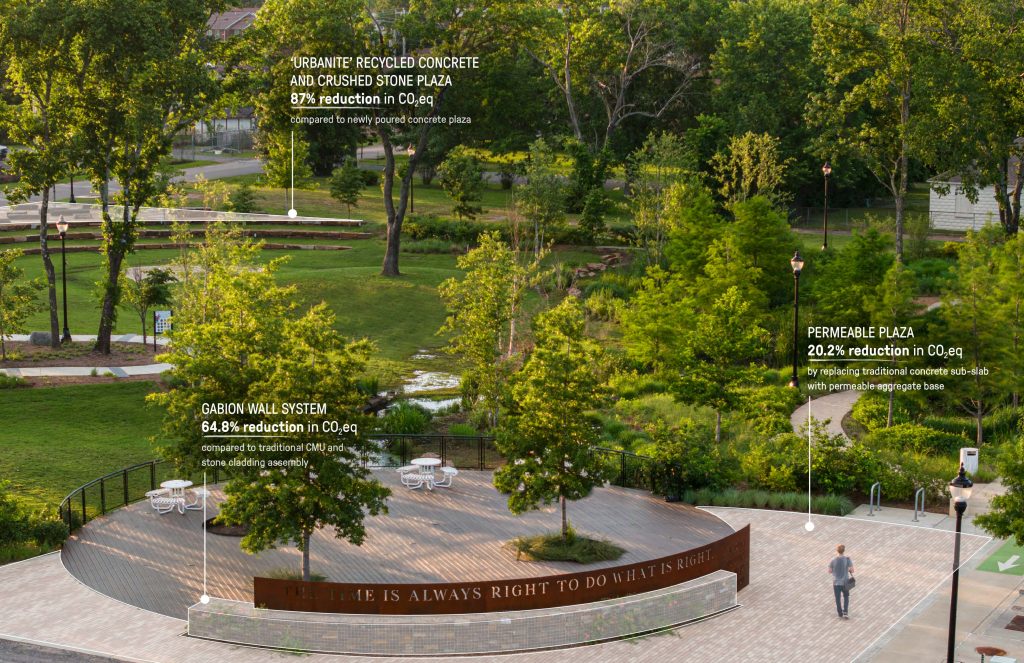
Stonestown
Merit Award /
2025,Analysis and Planning

Stonestown’s transformation integrates new parks and housing with the existing mall, creating a new neighborhood in western San Francisco.
©Design Distill
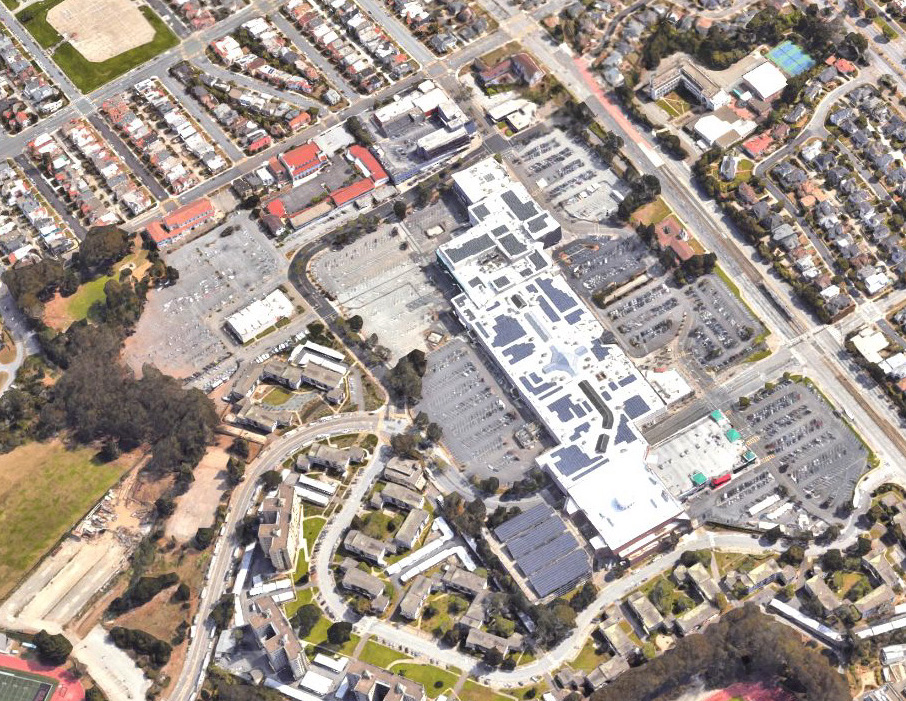
An aerial view of the existing mall surrounded by expansive asphalt parking, with groves of existing trees at the edges.
©SITELAB urban studio
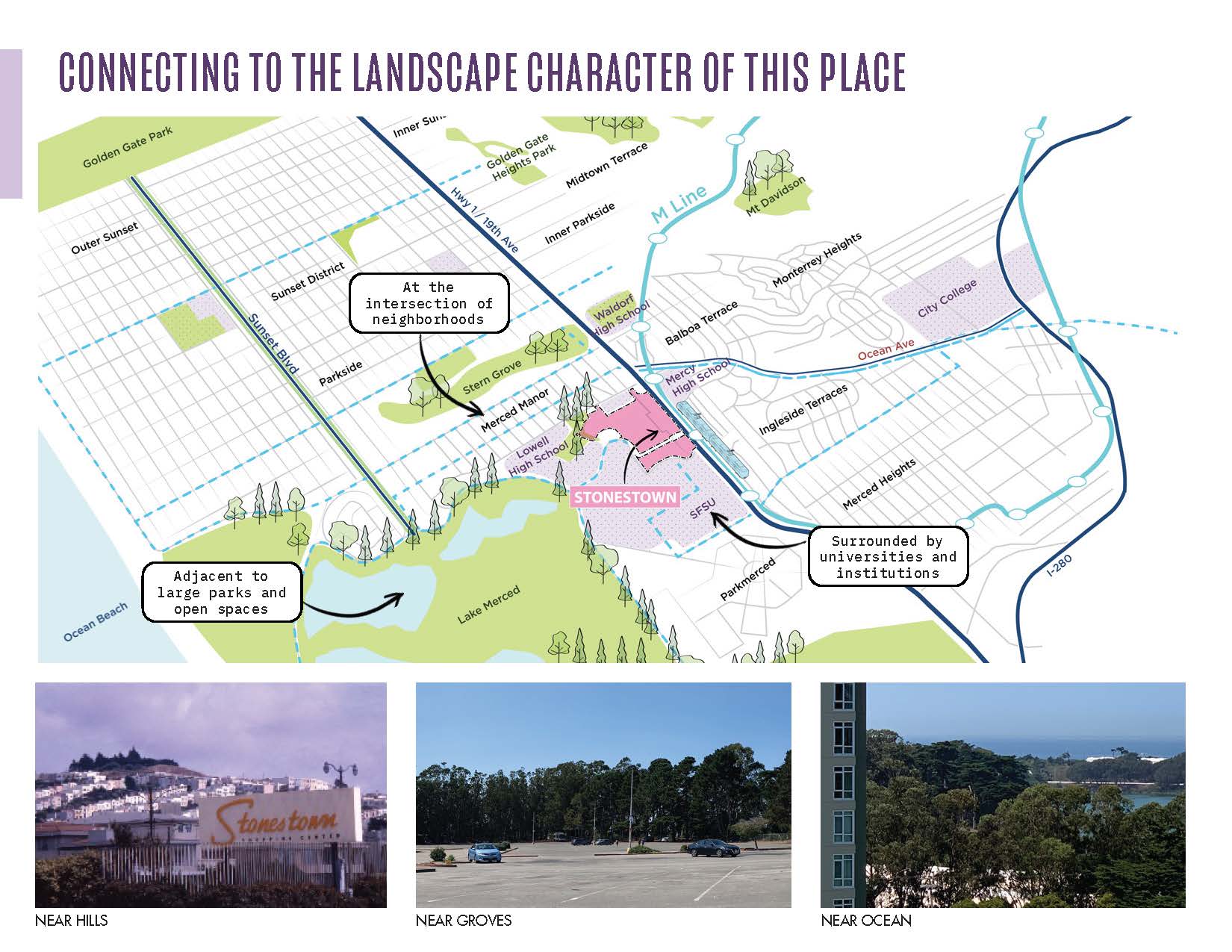
The Project sits at a location where neighborhoods, institutions, and “big nature”
meet.
©SITELAB urban studio and EinwillerKuehl Landscape Architecture
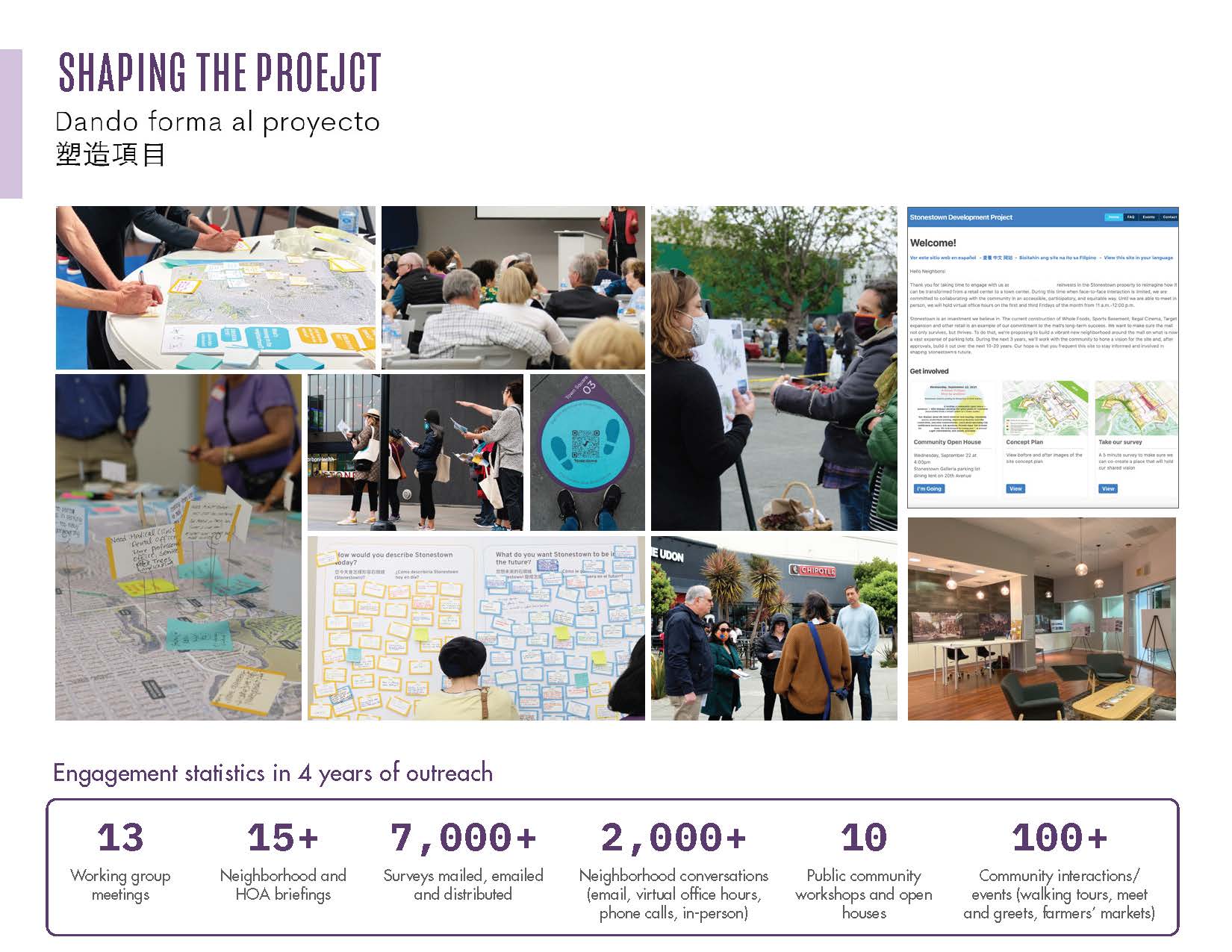
The community engagement process was robust, including many workshops, presentations, and tours with a diversity of community groups.
©SITELAB urban studio
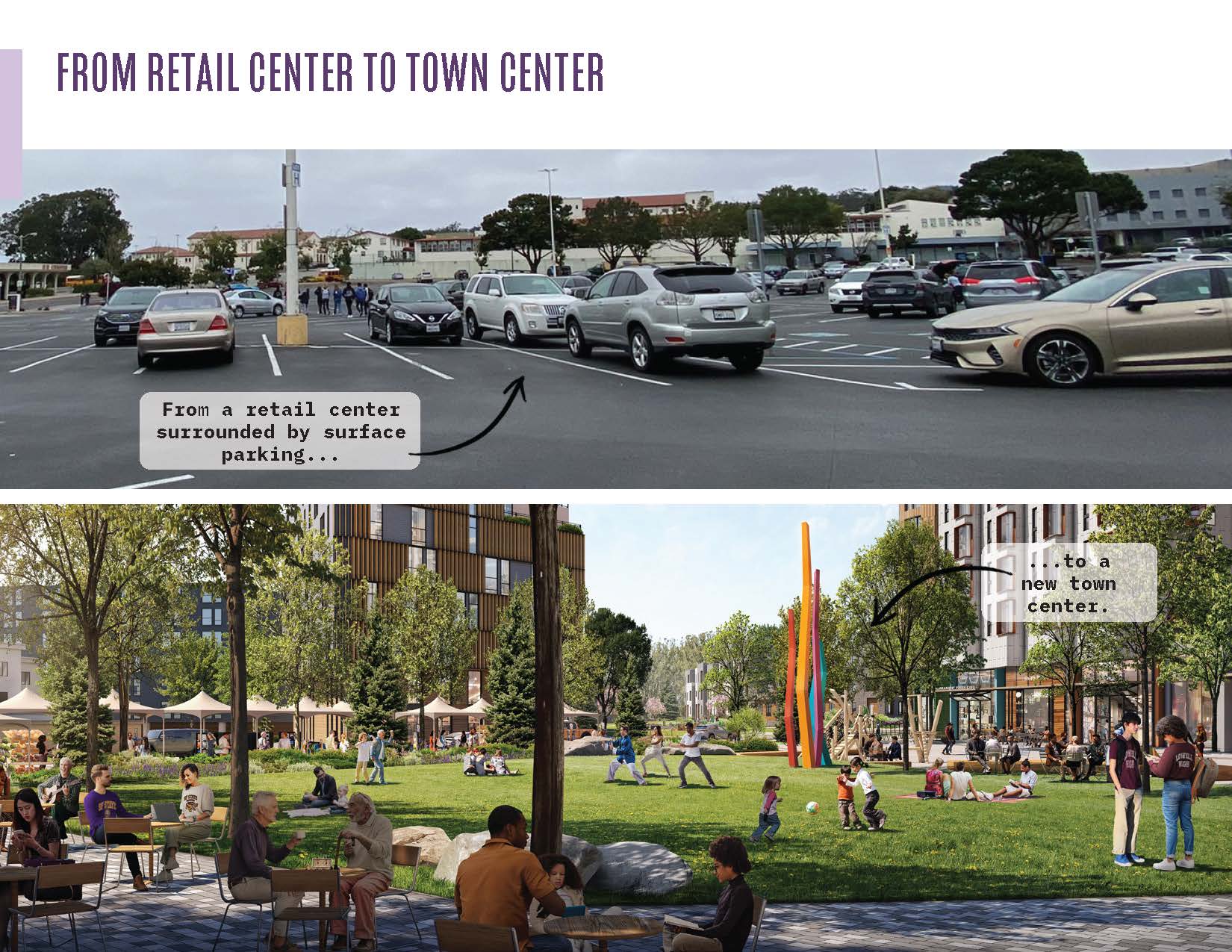
The redesign of Stonestown transforms the existing parking lots into a new neighborhood, prioritizing people and planting over cars.
©Design Distill
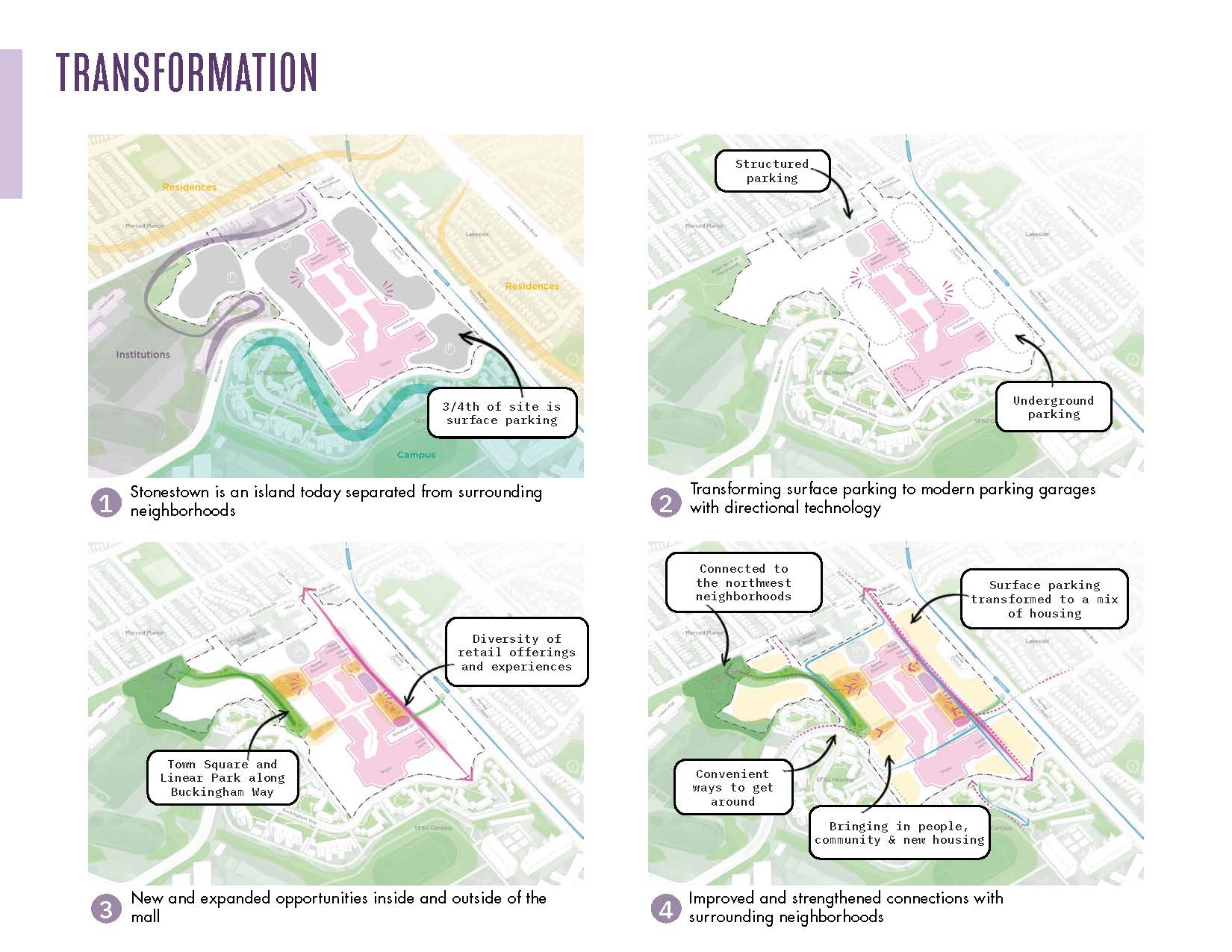
A series of diagrams showing the transformation of the site from an island surrounded by surface parking to a neighborhood connected internally and to its surroundings.
©SITELAB urban studio
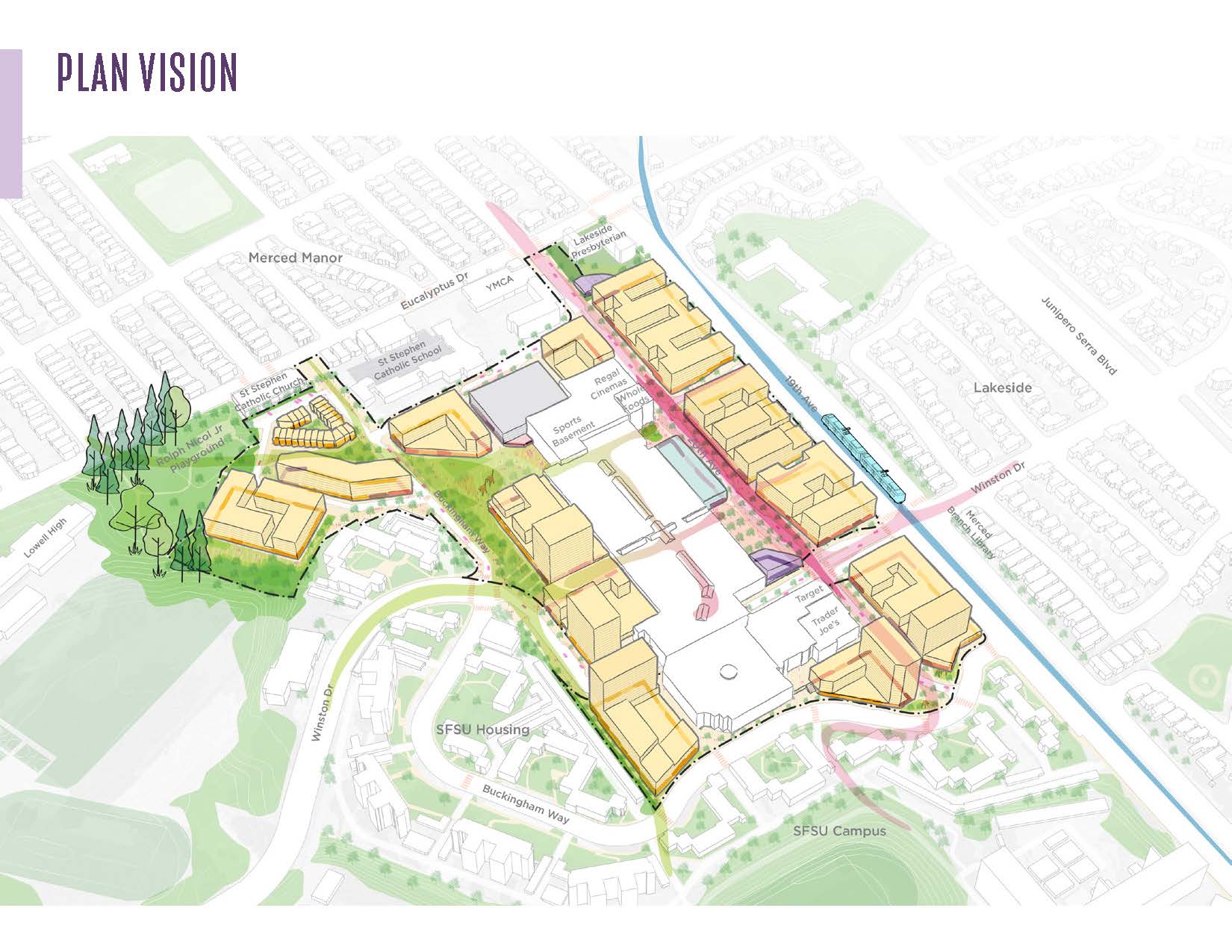
Axon site plan showing the future vision of the site.
©SITELAB urban studio
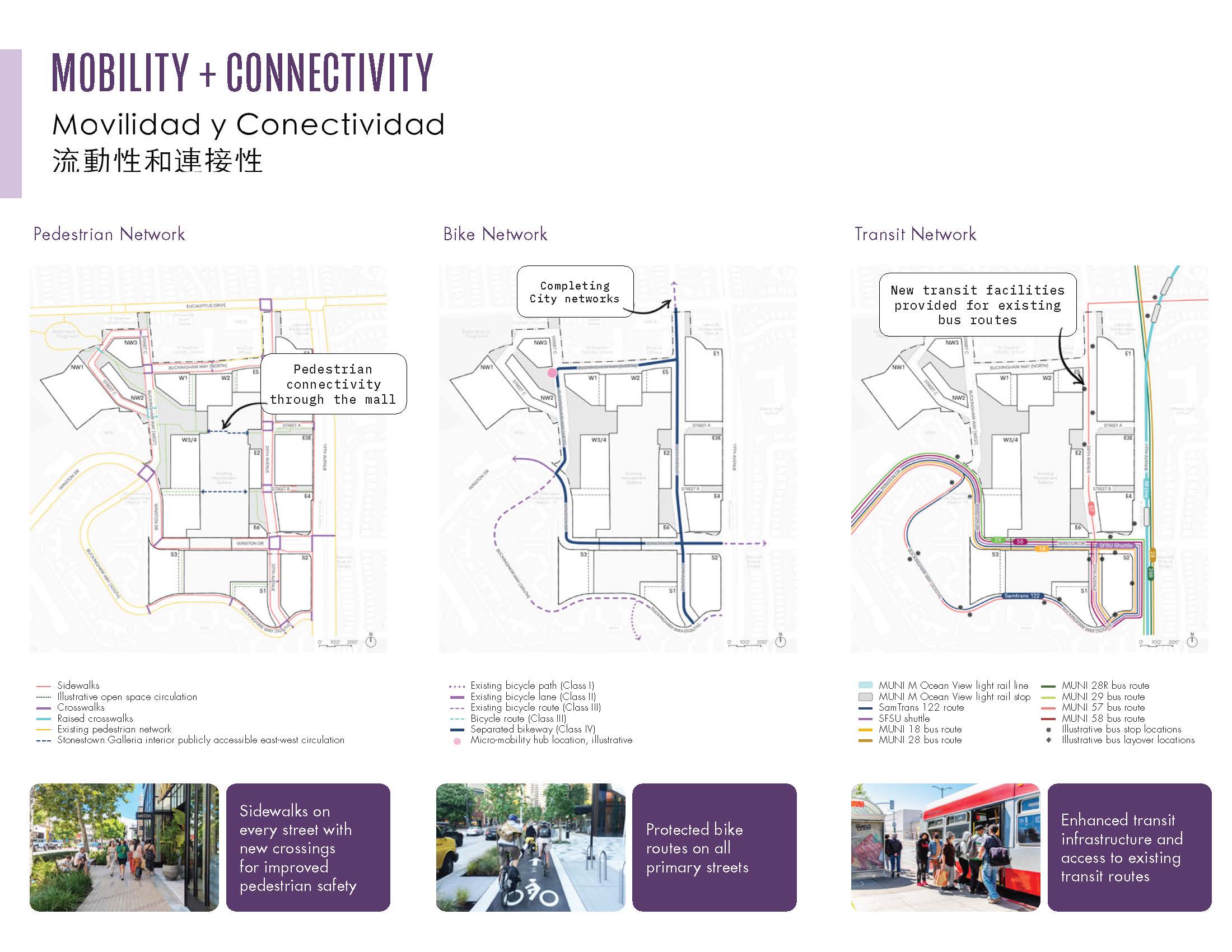
The new pedestrian, bike, and transit networks link Stonestown to the surrounding neighborhood, enhancing accessibility and creating a more walkable, connected place.
©SITELAB urban studio
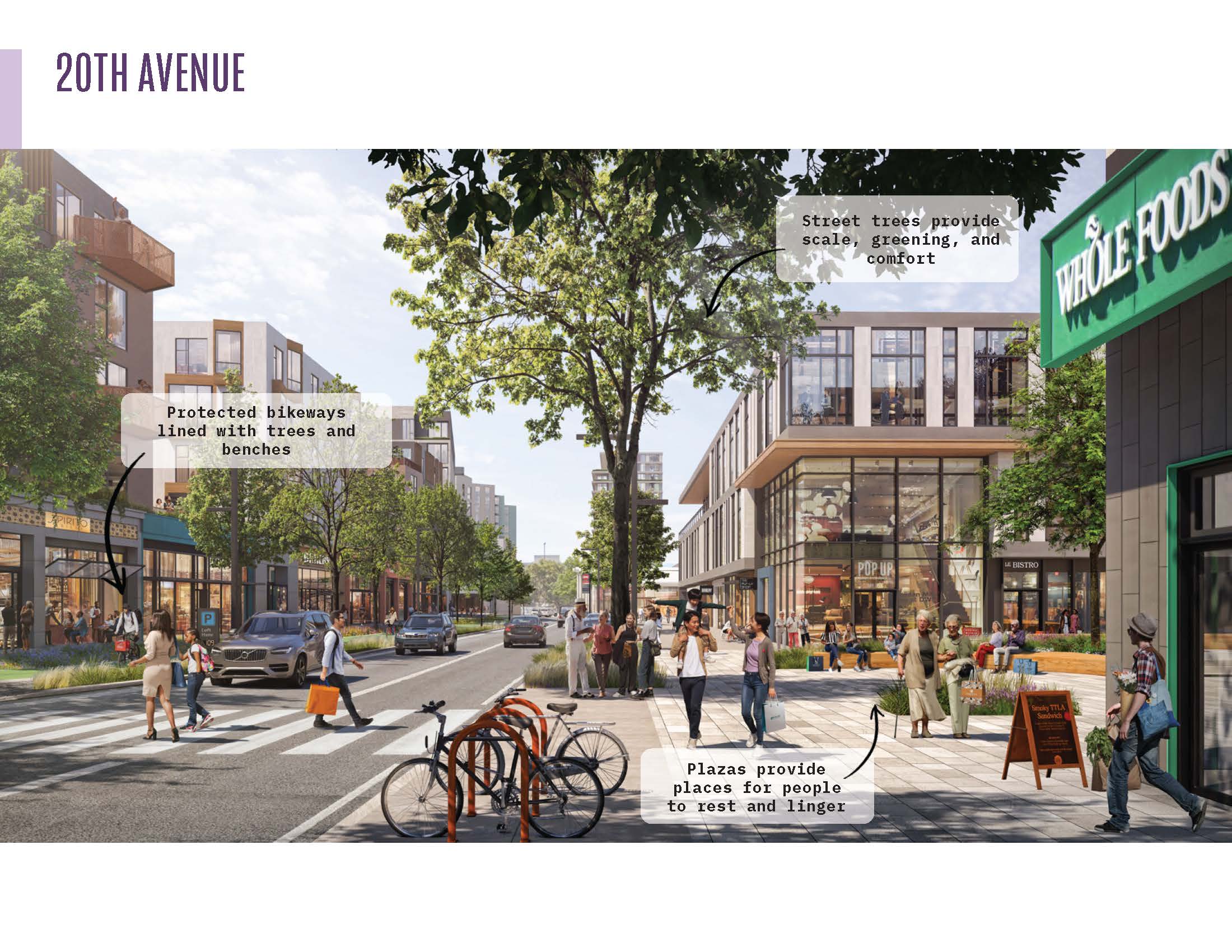
The newly redesigned 20th Avenue features retail spaces, comfortable, tree-lined sidewalks, and public plazas.
©Design Distill
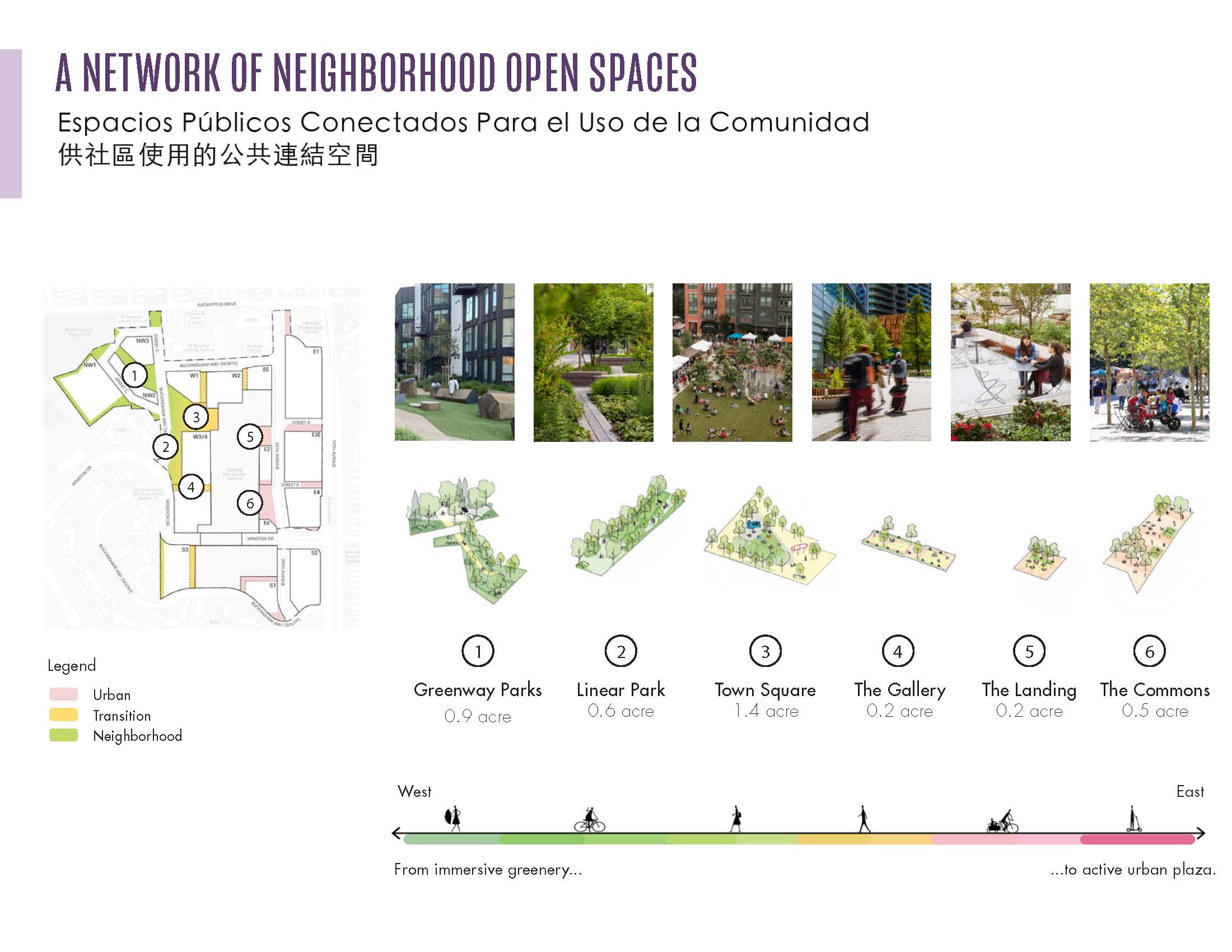
A network of open spaces transition from more urban on the east side along 20th avenue to more nature-focused on the west side, with complementary sizes and programming.
©SITELAB urban studio
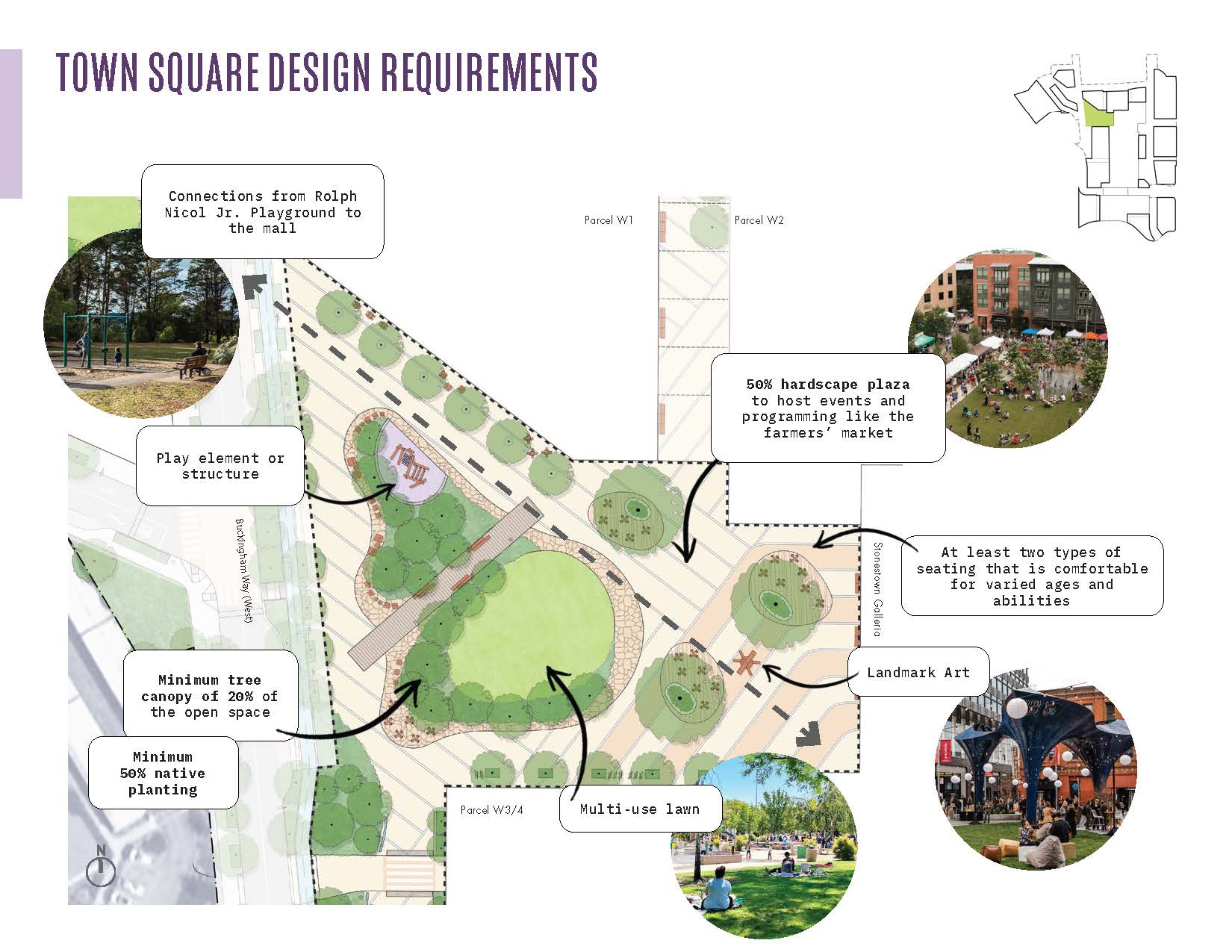
The design guidelines for the project outline minimum requirements for each open space, including: program, planting, circulation, sightlines, and seating.
© EinwillerKuehl Landscape Architecture
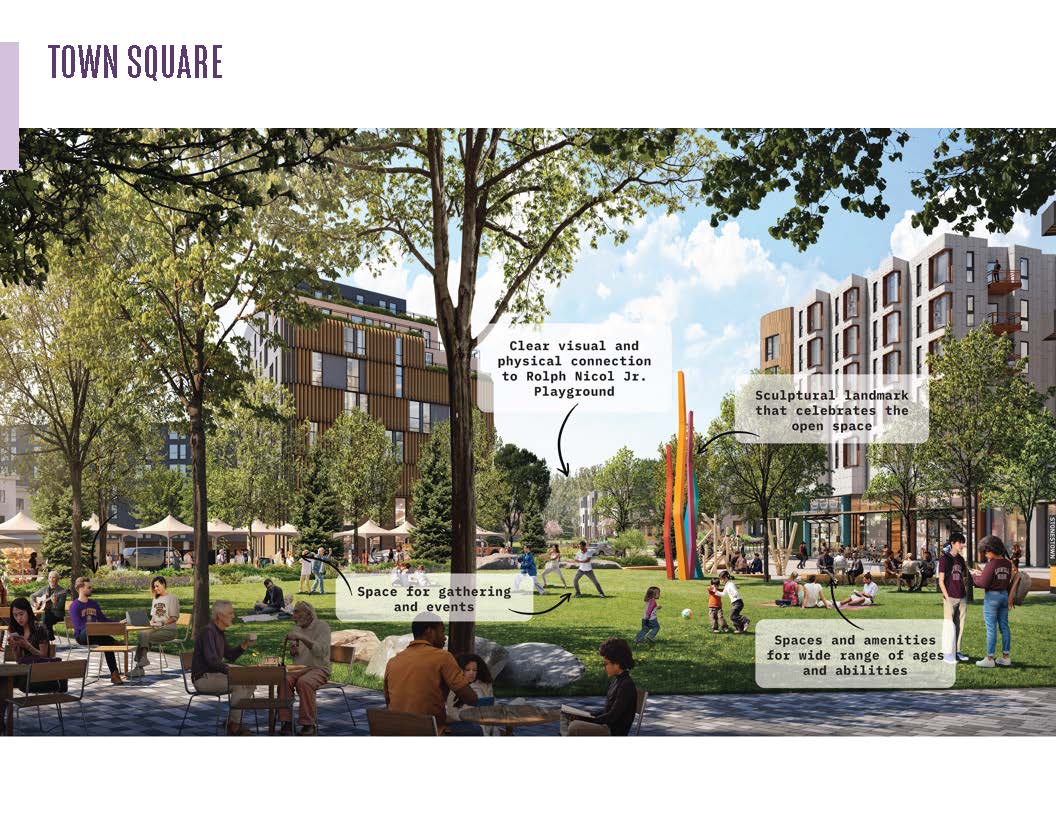
The Town Square features hardscape and lawn areas, accommodating diverse programming like the existing farmers’ market or outdoor fitness classes and recreation. Clear sightlines to Rolph Nicol Jr. Park connect the open space directly to the surrounding neighborhood.
©Design Distill
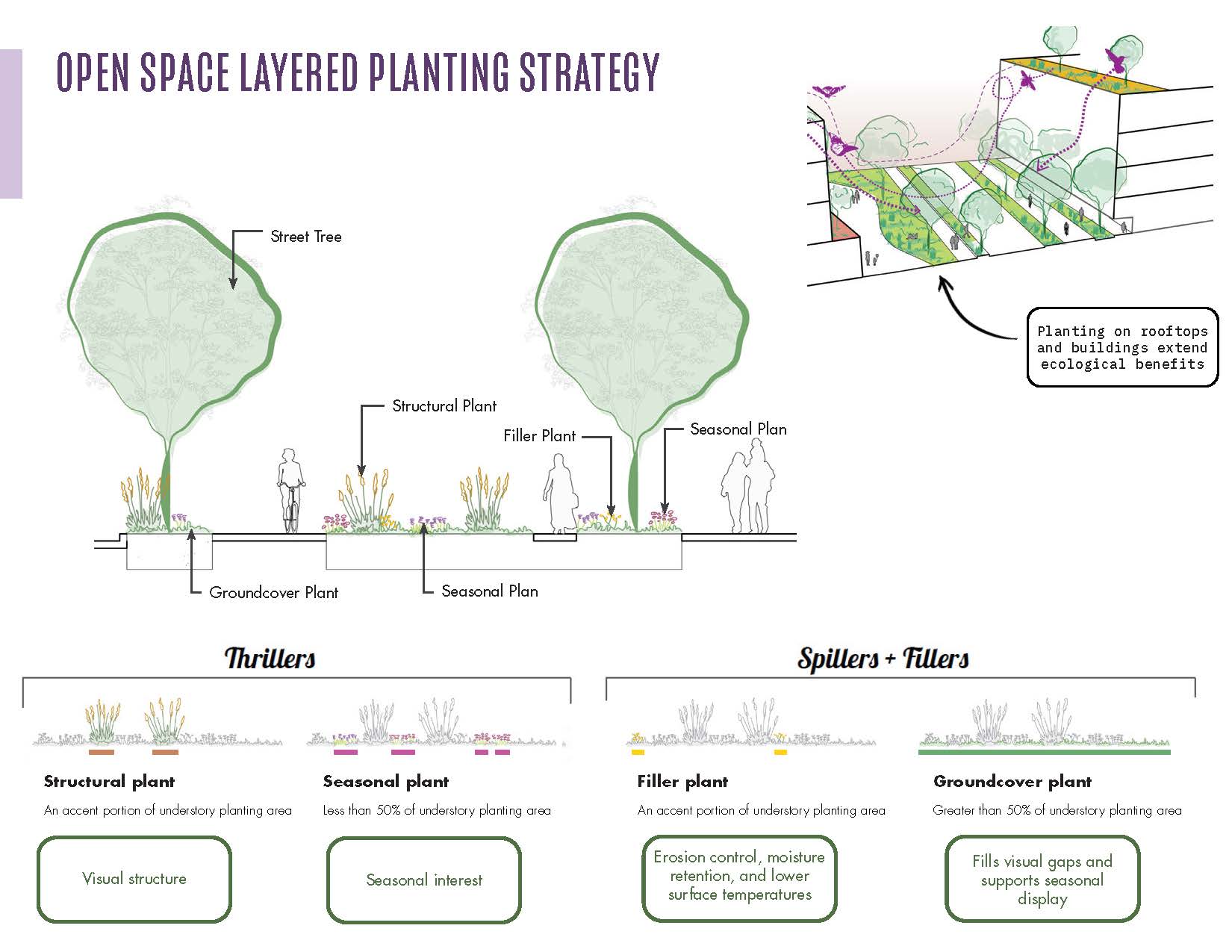
The planting design proposes a layered strategy, blending native and pollinator-friendly species to enhance biodiversity, support local habitats, and create a visually rich environment.
©EinwillerKuehl Landscape Architecture
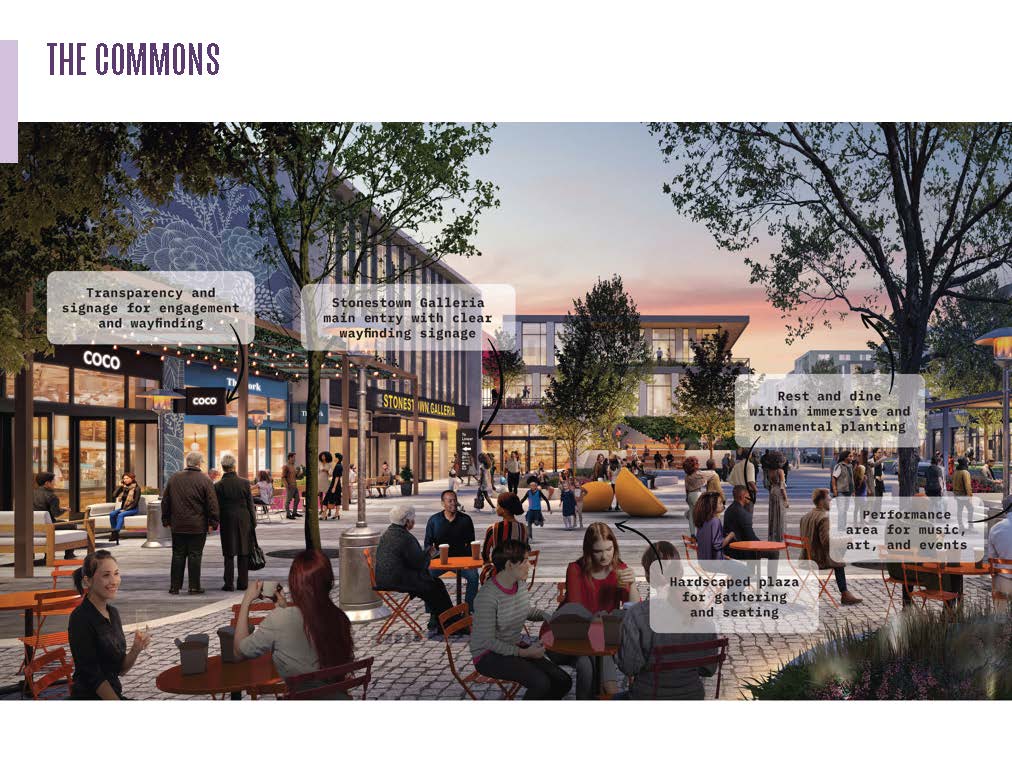
The Commons, a mostly hardscaped plaza, set under a grove of trees at the mall’s main arrival off 20th Avenue, features space for performances and outdoor dining, with additional public seating and interactive art elements.
©Design Distill
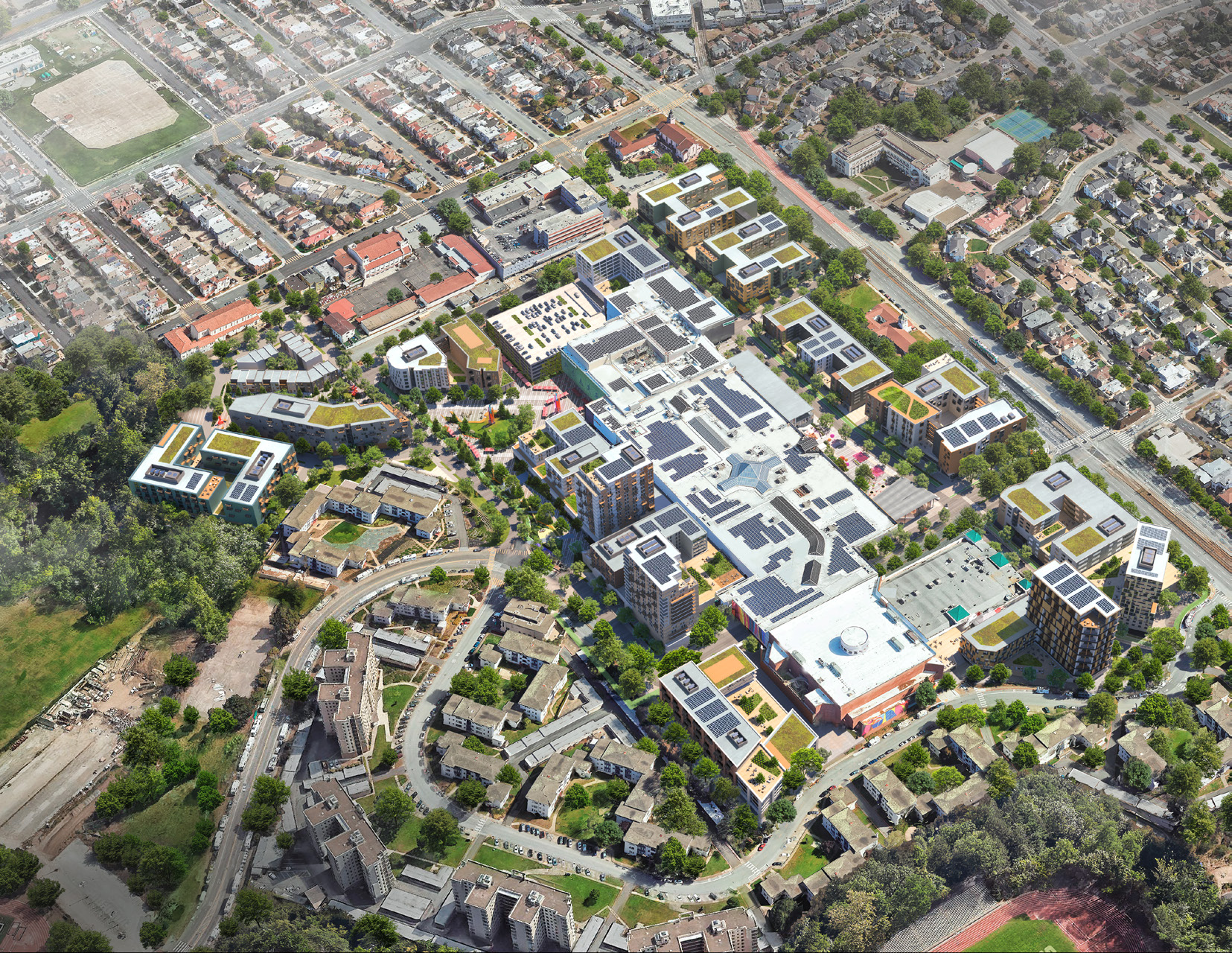
The transformation of Stonestown creates a vibrant mixed-use town center featuring diverse housing options, open spaces, and a pedestrian and bike-friendly street network that connects the site to the surrounding neighborhood.
©Design Distill
Client
Brookfield Properties
Project Team
EinwillerKuehl Landscape Architecture
SITELAB urban studio
David Baker Architects
Carlson, Barbee & Gibson, Inc.
Fehr & Peers
Atelier Ten
Walter P. Moore
SF Planning Department
SF Office of Economic and Workforce Development
SF Municipal Transportation Agency
SF Recreation and Parks Department
SF Public Works
Project Statement
Stonestown Galleria in western San Francisco has long been a beloved retail destination, but it has also been an island surrounded by a sea of surface parking. Driven by human scaled experiences and greening, this redevelopment plan transforms 30 acres of underutilized parking lots into a mixed-use town center, evolving Stonestown into a thriving neighborhood. The plan increases density with 3,500 new homes, new retail and commercial space, and six acres of parks, plazas, and green spaces—together they create a walkable, transit-oriented district. A new main street, a lively town square for the existing farmers’ market, and a generous linear park redefine Stonestown as an important place to be in the community whether the mall is open or not. Thoughtfully crafted through community dialogue, this collaborative vision builds on mall legacy and grows an inward-facing retail hub into a connected and accessible town center for the future.
Project Description
Since its construction in the 1950s by the Stoneson brothers, Stonestown has long been a thriving retail destination in western San Francisco. Originally designed with aspirations to create a “city within a city,” it has long served as a community gathering place, providing community events as well as shopping and entertainment.
Over the decades, Stonestown has continued to evolve with shifting retail trends. The original open-air promenade lined with storefronts was enclosed in 1987, transforming the mall into a multi-level, climate-controlled shopping center. In the early 2000s, double-sided storefronts were added along 20th Avenue, reintroducing an outward-facing street presence. However, despite this effort to connect externally, the storefronts still faced a sea of parking, maintaining the site’s inward-focus and auto-oriented character.
Following the closure of its traditional department store retail anchors in the late 2010s, the mall reintroduced a mix of community-serving uses, including grocery stores, a new movie theater, medical offices, and more recently, an arcade. While these additions have revitalized parts of the mall, the 40-acre site remains underutilized, with the vast expanses of surface parking and challenging topography at the edges that further isolates the site from it from the surrounding community, creating a barrier to connectivity.
This redevelopment project is rooted in Stonestown’s history and local ecology as well as a robust community engagement process—throughout the four-year planning process, the team hosted virtual and outdoor workshops (during Covid), presentations, and tours with digital and analog materials provided in the top three languages spoken in the neighborhood–English, Spanish, and Cantonese. The process involved 27 neighborhood organizations encompassing diverse ethnicities, age groups, and income levels.
Building on the “city within a city” vision and community priorities, the open space design drivers include intuitive connections through the integration of plazas and parks at key mall and site arrivals, a seamless pedestrian and bike network that links the neighborhood to the site; immersive nature that transforms the paved parking lots into biodiverse, ecologically beneficial landscapes; and human-centered approaches that ensures accessibility and environmental comfort amidst the challenging topography and fluctuating climate of western San Francisco.
Rather than a single large park, the proposed network dispersed of parks, plazas, and mid-block passages are intentionally designed to balance the needs of delivering high-density housing, supporting a thriving mall, and providing intuitive circulation. Urban plazas along 20th Avenue feature retail and active spaces for seasonal displays and people-watching. To the west, more residential open spaces draw on a more nature-based character. The Town Square provides flexible areas of hardscape and softscape for events and hosting the existing beloved farmers’ market, while Linear Park and Greenway Parks offer wider planting areas and spaces for play and recreation, linking to the existing Rolph Nicol Jr. Playground.
Recognizing that Stonestown is set within one of San Francisco’s more natural areas, it was important that planting play a significant role in the design—bringing ‘Big Green’ right up to the front door of the mall. The planting approach at Stonestown integrates ecological performance, durability, and aesthetics to connect the site to San Francisco’s natural ecologies while also honoring its retail character. The design requires planting design use a minimum of 50% California natives and 80% of species need to have habitat, forage, or pollinator value. Where feasible, open space and streetscape plantings are integrated to enhance the overall ecological function of the site. Structural soils are recommended in high-traffic hardscaped areas to support healthy tree growth, and plant selection aligns with SF Green Connection guidelines.
The Stonestown Redevelopment Plan is more than a new development—it is a model for how underutilized retail sites can be reimagined to meet the needs of 21st-century cities. By shifting from an internally focused, auto-centric shopping destination to a mixed-use, walkable town center, the project demonstrates how thoughtful urban design can breathe new life into existing urban spaces. Its approach to connectivity, accessibility, and placemaking ensures that Stonestown is no longer an island but an integral part of the city’s fabric–a balance of retail, housing, and open space that creates a dynamic environment where people can live, work, shop, and gather.