Helen Diller Anchor House
Honor Award /
2026, Residential Design
Berkeley, CA

Terraced gardens, layered planting, and a renewed streetscape establish Anchor House as a welcoming residential gateway at the edge of campus.
© Jason O’Rear
Landscaped terraces extend student life outdoors, offering elevated gathering spaces that connect campus, city, and surrounding context.
© Jason O’Rear

A layered system of streetscape, courtyards, terraces, and rooftop gardens integrates social life, ecology, and wellness throughout the building.
© Jason O’Rear

Landscape spaces progress from public streetscape to elevated gardens, supporting connection, respite, and student life at multiple scales.
© Jason O’Rear
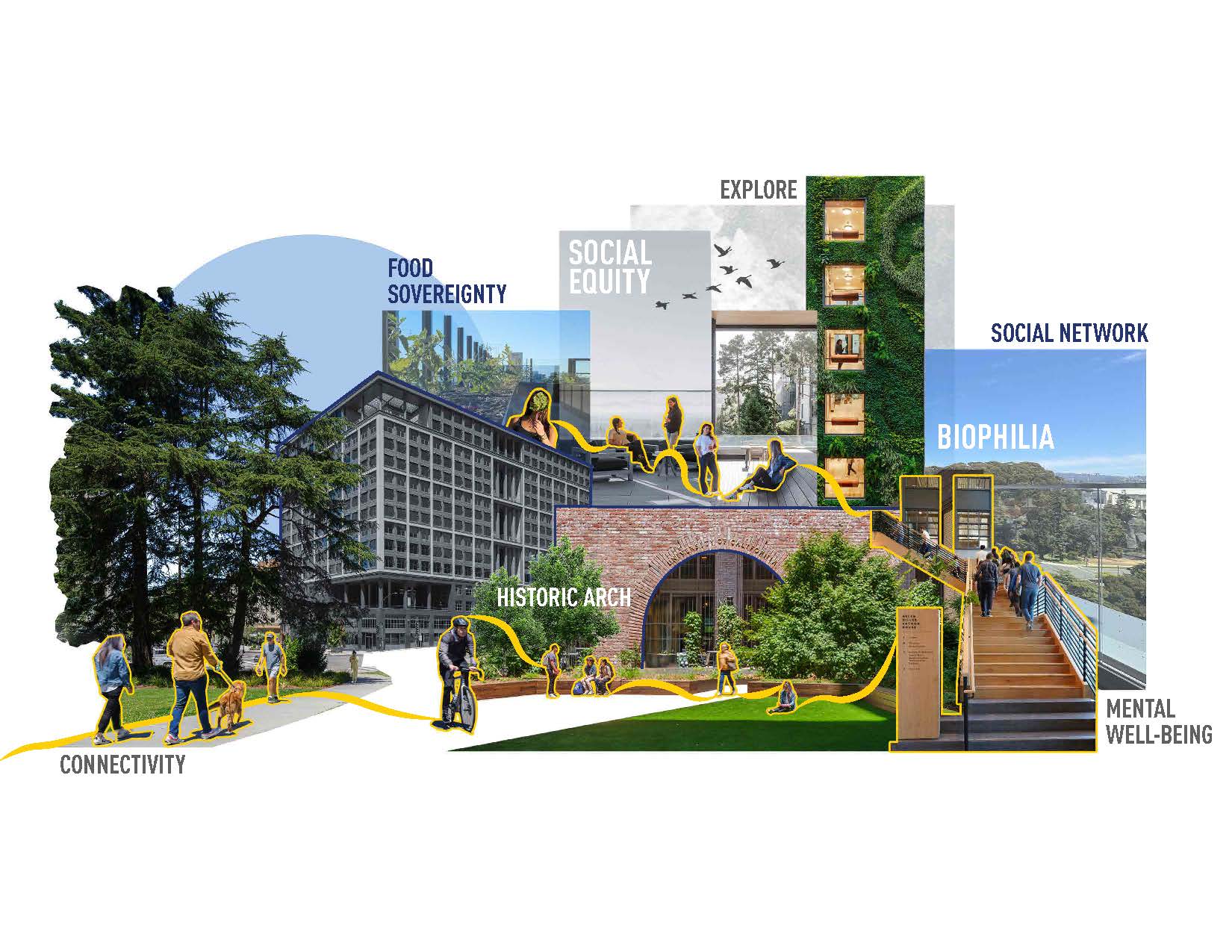
Landscape and architecture support well-being, food access, and connection, shaping daily life for transfer students.
© Jason O’Rear

A planted courtyard at the second level opens toward campus, offering shared outdoor space for gathering, respite, and connection.
© Jason O’Rear

A raised wood deck and shaded seating create a campus-facing terrace for studying, gathering, and everyday outdoor respite.
© Jason O’Rear
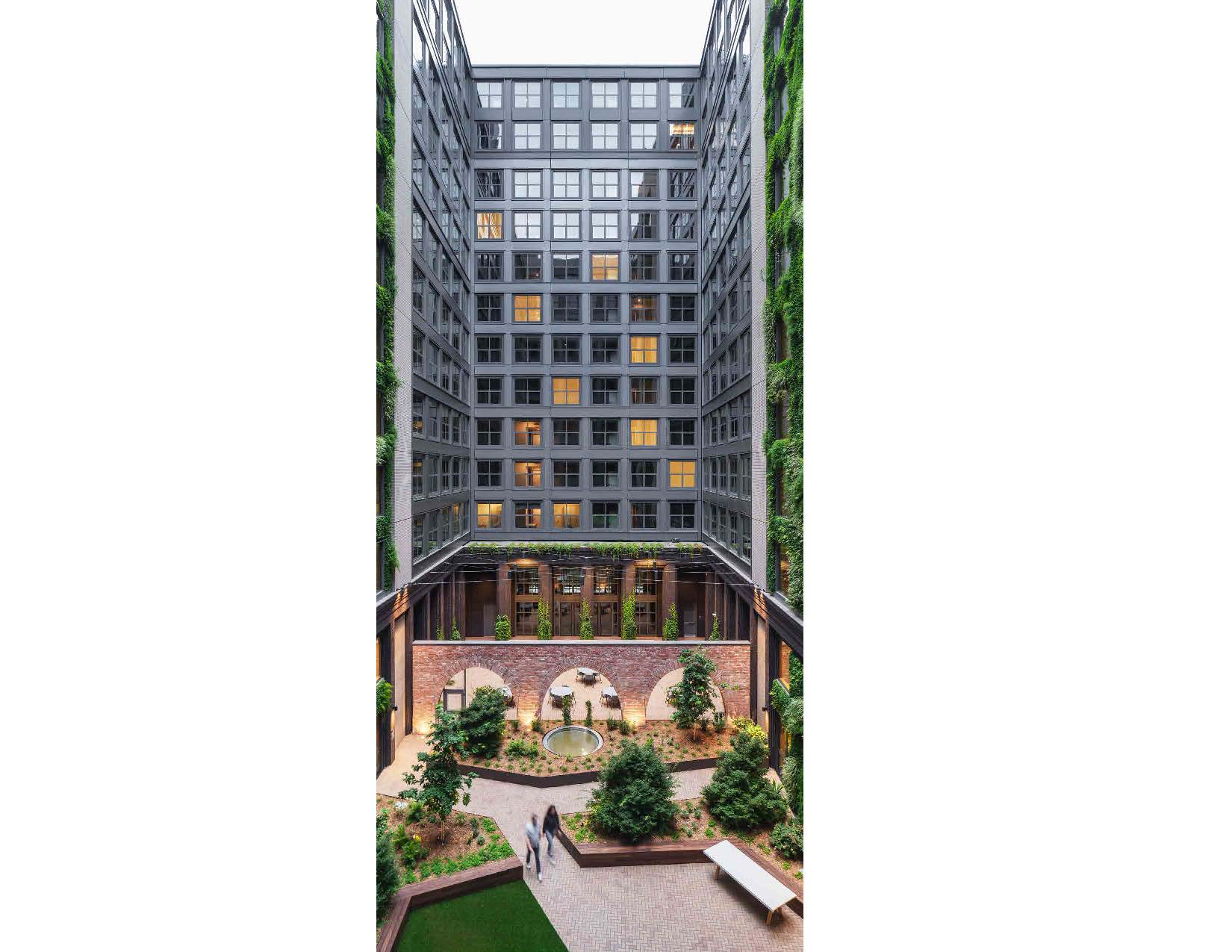
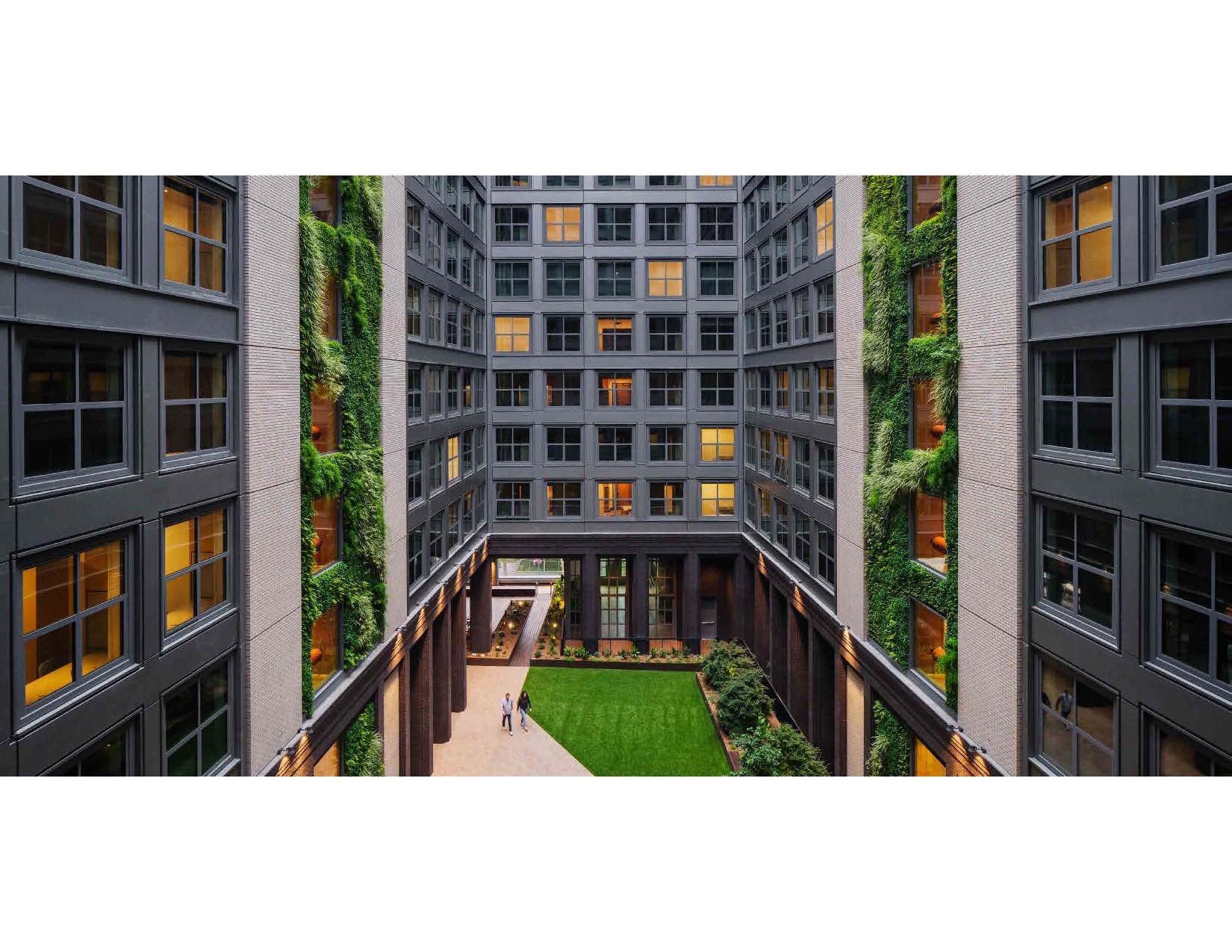
A planted internal courtyard draws light, air, and landscape into the building, forming the social heart of the residential community.
© Jason O’Rear

A salvaged brick arch anchors the courtyard, connecting the site’s history to a shared outdoor space for gathering and study.
© Jason O’Rear

Living walls soften the experience of height and density, bringing planting close to apartments and creating a more humane residential environment.
© Jason O’Rear
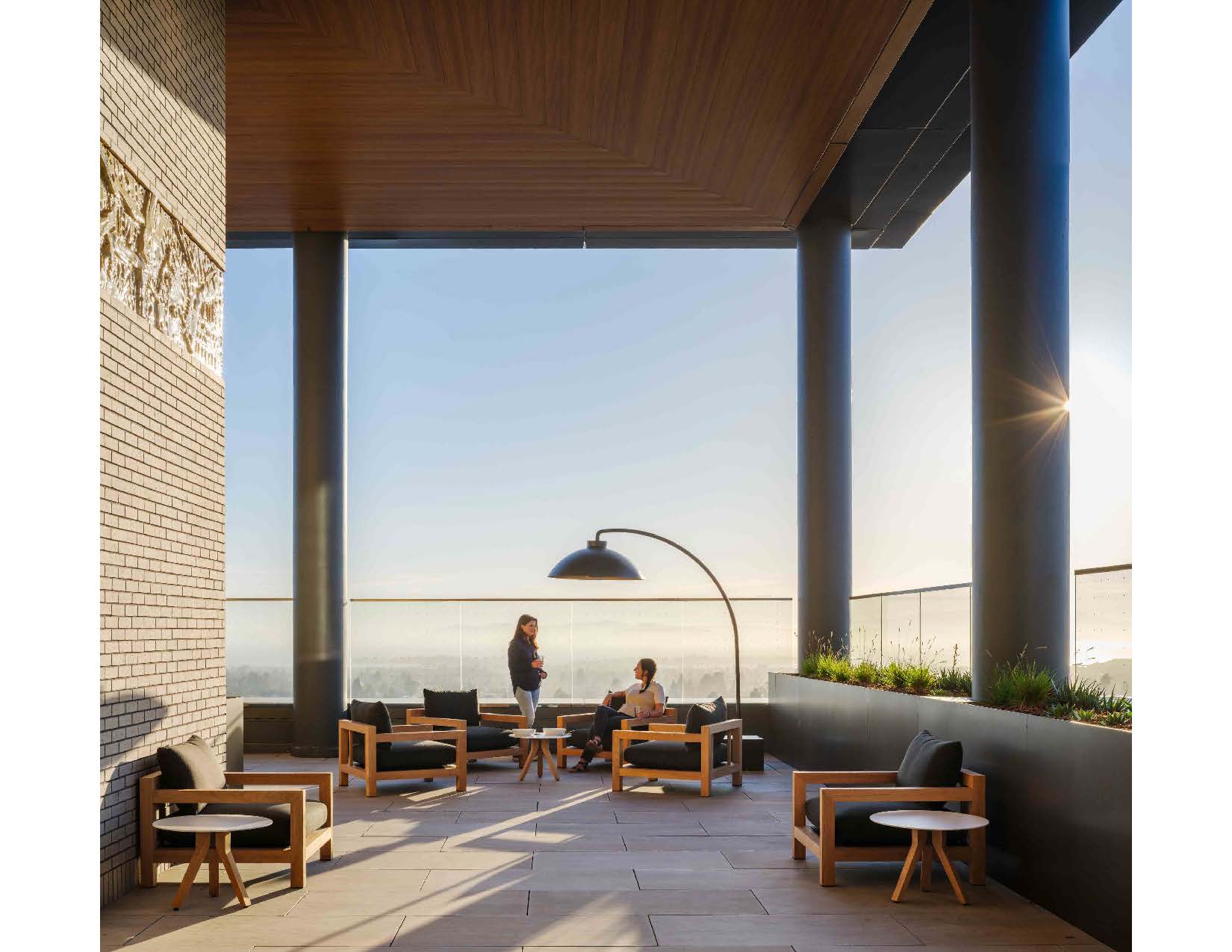
Outdoor terraces are located close to student living spaces, offering easy access to fresh air, views, and daily outdoor respite.
© Jason O’Rear

Vines rise from in-grade planters along brick columns, softening hardscape and reinforcing biophilic experience within the courtyard.
© Jason O’Rear

Sheltered outdoor rooms extend interior amenities into the landscape, supporting year-round use and social flexibility.
© Jason O’Rear

Larger terraces align with interior amenity spaces, creating flexible indoor-outdoor environments for events and shared programming.
© Jason O’Rear

At dusk, Anchor House reads as a warm civic presence, integrating student life into Berkeley’s broader urban fabric.
© Jason O’Rear
Client
University of California, Berkely
Project Team
Emily Rylander, Lead Landscape Architect
Kent Hipp
Alex Strader
Project Statement
Anchor House at UC Berkeley redefines student housing as a nurturing sanctuary that supports social equity, mental well-being, and belonging. Designed for transfer students, the project provides stability and access at a critical gateway along University Avenue, allowing residents to fully engage in campus life. A renewed streetscape, social courtyards, and elevated terraces cultivate connection at multiple scales, while locally sourced brick, reclaimed materials, and native plantings reinforce durability and sustainability. Certified LEED Gold, Anchor House establishes a student- centered model for dense urban housing rooted in wellness, community, and long-term resilience.
Project Description
Anchor House is a 14-story, 750-bed mixed-use residential building located at the western gateway of UC Berkeley along University Avenue. Designed to serve transfer students nearly 21% of the undergraduate population, many of whom are first-generation or from underrepresented backgrounds the project addresses both the regional housing crisis and the social challenges of transitioning into a large university. By providing housing directly adjacent to campus, Anchor House ensures equitable access to academic, social, and extracurricular resources, allowing students to fully participate in university life.
The dense residential program is organized around wellness, community, and environmental responsibility. Shared spaces are intentionally distributed throughout the building to encourage connection while supporting privacy and independence, allowing students to establish roots, build relationships, and feel grounded within the campus community.
Contextual site research revealed a legacy of urban connectivity along University Avenue, informing both architectural and landscape strategies. A brick archway salvaged from a former bus depot serves as a central design element, acting as a physical and symbolic bridge between the site’s history and its contemporary use. At the ground level, the streetscape is reimagined through the introduction of mature trees, planted corridors, and seating nooks that soften the transition between city and campus while offering moments of pause for residents and passersby.
The ground floor activates the public realm with a vibrant retail corridor that includes a café, bookstore, and Shake Shack, reinforcing Anchor House as a lively neighborhood destination. These uses strengthen daily engagement between students, the campus, and the surrounding community while contributing to a welcoming, pedestrian-oriented streetscape.
Above, a generous second-floor internal courtyard forms the social heart of the project. Flexible patios and overlapping amenity zones including fitness spaces, community rooms, and shared kitchens are interwoven with lush planting to support informal gathering, organized events, and everyday respite.
As the building rises, a series of terraces punctuates the high-rise form, each offering a distinct spatial and social experience. “The Outlook,” a large communal terrace with swings, shared dining tables, and flexible seating, promotes mental well-being and social connection. At the rooftop, a productive vegetable garden extends the landscape vertically, supporting resident wellness while providing opportunities for urban agriculture education.
The material palette of locally sourced clay brick and reclaimed wood references the historic character of the UC Berkeley campus while introducing a contemporary expression. Living walls, developed in collaboration with Habitat Horticulture, frame the central courtyard and contribute to the project’s LEED Gold certification by improving air quality, mitigating heat gain, and supporting stormwater management. Native, drought-tolerant plantings further reinforce climate resilience and resource efficiency.
Anchor House provides an inclusive residential environment that addresses housing demand while advancing social equity, wellness, and community, setting a precedent for future institutional housing centered on dignity, connection, and long-term impact.